English
  français
  Deutsch
  русский
  español
  português
  العربية
  Melayu
  ไทย
ไทย  Indonesia
  हिंदी
हिंदी 


Anda perlu memberikan semua informasi penting saat meminta penawaran untuk ekstrusi aluminium khusus. Hal ini membantu Anda mendapatkan harga yang tepat dan mencegah keterlambatan. Harga ekstrusi khusus berubah karena banyak hal, seperti desain lengkap Anda dan apa yang Anda inginkan. Detail pentingnya adalah:
-
Gambar yang benar dan versi terakhir dari gambar Anda
-
Paduan, temper, dan penyelesaian permukaan yang Anda inginkan
-
Ukuran penting dan seberapa tepat ukurannya harus dibuat
-
Panjang setiap potongan yang seharusnya dan jumlah yang Anda butuhkan
-
Bagaimana tampilan komponen yang seharusnya
-
Cara Anda ingin pengemasan dilakukan dan seberapa cepat Anda membutuhkannya
-
Jenis file yang dapat Anda kirim
Jika Anda melewatkan informasi, hal itu dapat membuat penawaran Anda membutuhkan waktu lebih lama atau memberikan harga yang salah. Jika Anda memiliki pertanyaan tentang desain ekstrusi aluminium atau membutuhkan bantuan dengan komponen aluminium khusus,Guang Ya Aluminiumdapat memeriksa gambar Anda dan membantu Anda dengan detailnya.
Poin Penting
-
Berikan gambar yang jelas dan benar untuk mencegah kesalahan serta membantu pabrik memahami desain Anda.
-
Sebutkan paduan dan temper yang Anda inginkan, karena hal ini memengaruhi cara kerja komponen dan harganya.
-
Cantumkan semua penyelesaian permukaan yang Anda perlukan dan tunjukkan sisi mana yang harus terlihat bagus untuk tampilan terbaik.
-
Jelaskan dengan jelas panjang potongan dan jumlah yang Anda butuhkan agar pemasok dapat merencanakan pembuatannya dan menetapkan harga yang tepat.
-
Gunakan jenis file yang tepat untuk gambar Anda agar semua orang dapat berkomunikasi dengan mudah dan mendapatkan penawaran yang benar.
Gambar dan Dimensi untuk Ekstrusi Aluminium Khusus
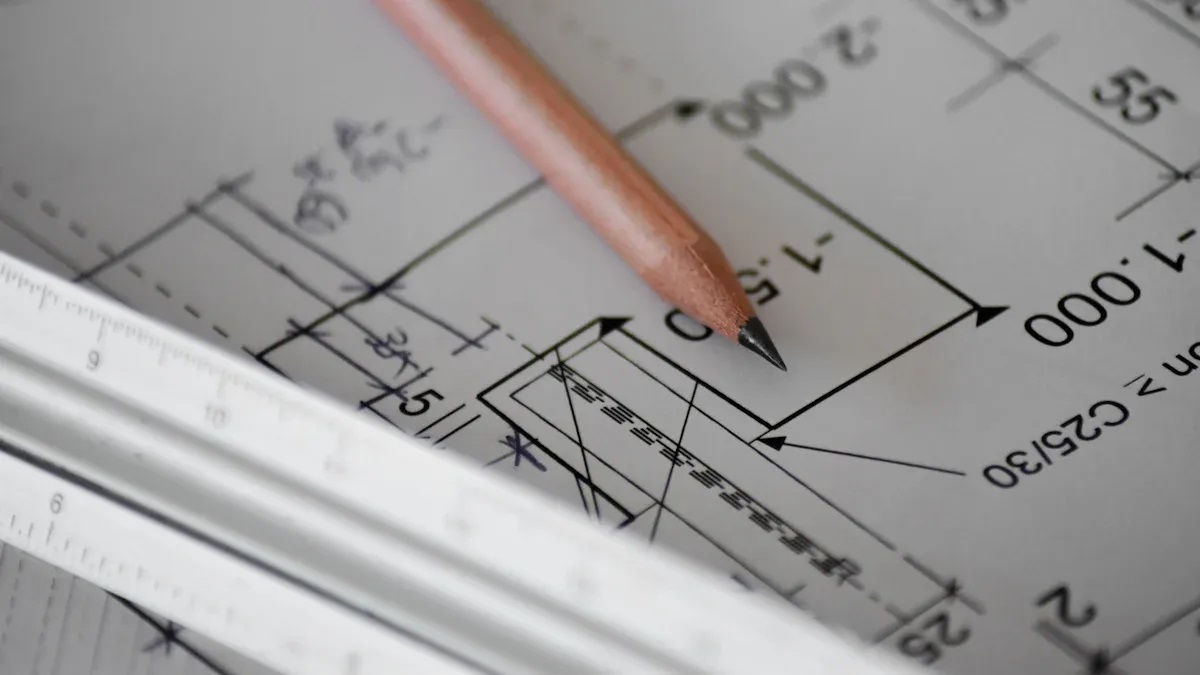
Saat meminta penawaran, Anda perlu memberikan gambar yang jelas. Anda juga perlu membagikan detail yang tepat tentang desain Anda. Gambar yang baik membantu pabrik memahami apa yang Anda inginkan. Hal ini mencegah terjadinya kesalahan. Selalu kirim versi terbaru dari desain Anda. Ini membantu Anda mendapatkan harga yang tepat. Hal ini juga memastikan komponen Anda akan berfungsi.
Detail Gambar yang Diperlukan
Gambar teknis Anda harus memiliki beberapa hal penting:
-
Tunjukkan semua ukuran utama dan seberapa dekat ukurannya harus dibuat.
-
Cantumkan paduan ekstrusi aluminium dan penyelesaian yang Anda inginkan.
-
Tambahkan catatan jika Anda ingin mempermudah proses pembuatan, seperti cara untuk mengurangi jumlah langkah.
-
Tunjukkan ukuran dan bentuk lengkap setiap komponen.
-
Pilih paduan dan temper sejak awal dalam rencana Anda.
Detail ini membantu pabrik memeriksa kebutuhan Anda. Detail ini juga membantu mereka merencanakan kualitas yang baik. Jika Anda membutuhkan bantuan, Guang Ya Aluminium dapat memeriksa gambar Anda dan memberikan saran.
Menentukan Dimensi dan Toleransi
Anda harus menunjukkan semua ukuran dan seberapa dekat ukurannya harus dibuat pada gambar Anda. Hal ini membantu pabrik menjaga kualitas yang baik dan menemukan masalah sejak awal. Pemeriksaan yang cermat pada setiap tahap memastikan komponen Anda berkualitas baik. Hal ini juga memastikan komponen Anda berfungsi sesuai keinginan. Anda harus selalu menggunakan aturan yang diikuti pabrik saat menentukan seberapa dekat ukuran harus dibuat. Berikut beberapa aturan umum:
|
Standar |
Deskripsi |
|---|---|
|
ANSI H35.2 |
Ini adalah aturan utama untuk ukuran dan batas toleransi bagi produk aluminium hasil pabrik di A.S. Aturan ini memberikan ukuran dan batas yang tepat. |
|
ASTM B221 |
Aturan ini berlaku untuk produk ekstrusi aluminium dan paduan aluminium. Aturan ini memastikan material sesuai dengan aturan ukuran. |
|
Aluminum Standards and Data (ASD) |
Buku ini menggabungkan tabel ukuran, aturan paduan, dan kiat desain dalam satu tempat untuk para insinyur. |
Saat Anda memberikan semua detail, Anda membantu pabrik membuat komponen Anda dengan cara terbaik. Hal ini menghemat waktu dan uang. Jika Anda memiliki pertanyaan atau membutuhkan bantuan dengan RFQ Anda, Guang Ya Aluminium dapat membantu Anda.
Pemilihan Paduan dan Temper
Saat meminta penawaran, Anda harus memilih paduan dan temper yang tepat. Pilihan ini memengaruhi cara kerja komponen Anda, biayanya, dan kemudahan pembuatannya. Anda harus selalu memberi tahu pabrik tentang hal ini dalam rfq Anda. Hal ini mencegah kebingungan dan menjaga proses tetap berjalan cepat.
Memilih Paduan yang Tepat
Ada banyak paduan yang dapat Anda pilih untuk ekstrusi aluminium khusus. Masing-masing memiliki keunggulan dan penggunaan terbaiknya sendiri. Berikut adalah tabel untuk membantu Anda melihat beberapa pilihan populer:
|
Paduan |
Kekuatan Tarik |
Keunggulan |
Kelemahan |
Aplikasi |
|---|---|---|---|---|
|
2024 |
455 – 483 MPa |
Kekuatan sangat baik, kemampuan pembentukan yang baik |
Ketahanan korosi buruk, kemampuan pengelasan buruk |
Komponen pesawat, roda gigi, piston |
|
5052 |
193 – 290 MPa |
Kemampuan pembentukan sangat baik, ketahanan korosi sangat baik |
Kemampuan pemesinan buruk |
Peralatan kelautan, peralatan rumah tangga, tabung |
|
6061 |
241 – 310 MPa |
Kemampuan pengelasan sangat baik, kemampuan pemesinan baik, ketahanan korosi baik |
Kemampuan pembentukan rata-rata |
Produk bangunan, komponen otomotif, furnitur |
Anda perlu menyesuaikan paduan dengan proyek Anda. Misalnya, 6061 kuat dan mudah dilas. Paduan ini bekerja dengan baik untuk komponen bangunan dan mobil. Jika Anda menginginkan ketahanan korosi yang lebih baik, 5052 adalah pilihan yang baik.
Menentukan Temper
Temper memberi tahu pabrik bagaimana paduan tersebut telah diperlakukan. Hal ini memberikan sifat khusus pada komponen. Memilih temper yang tepat sama pentingnya dengan memilih paduan. Beberapa temper, seperti T6, membuat komponen menjadi kuat. Namun, T6 dapat retak jika Anda membengkokkannya setelah ekstrusi. T5 digunakan untuk komponen arsitektural. Temper ini memberikan keseimbangan yang baik antara biaya dan kekuatan.
|
Paduan/Temper |
Kekuatan Luluh (psi) |
Dampak Biaya |
Kompleksitas Ekstrusi |
|---|---|---|---|
|
6061-T6 |
35,000 |
Lebih tinggi |
Terbatas |
|
6005-T5 |
37,700 |
Lebih rendah |
Lebih kompleks |
Saat Anda mengirim rfq, selalu:
-
Sebutkan paduan dan temper yang Anda inginkan.
-
Sebutkan bentuk produk, seperti tabung atau pelat.
-
Berikan semua ukuran dan toleransi.
-
Cantumkan standar atau sertifikat apa pun yang Anda perlukan.
Tip:Jangan gunakan nilai kekerasan sebagai pengganti nama temper. Selalu periksa bahwa paduan dan temper yang Anda inginkan tersedia.
Memilih paduan dan temper yang tepat membantu Anda mendapatkan ekstrusi aluminium khusus terbaik.
Persyaratan Penyelesaian Permukaan
Saat Anda meminta penawaran harga, Anda harus menyebutkan penyelesaian permukaan yang Anda inginkan. Penyelesaian tersebut mengubah tampilan komponen Anda. Penyelesaian ini juga memengaruhi berapa lama komponen Anda bertahan. Penyelesaian tersebut juga dapat mengubah harga. Selalu beri tahu pemasok penyelesaian yang Anda inginkan. Sebutkan juga permukaan mana yang akan terlihat.
Pilihan Penyelesaian untuk Ekstrusi Aluminium Khusus
Ada banyak pilihan penyelesaian untuk ekstrusi aluminium khusus. Setiap penyelesaian membuat tampilan komponen berbeda. Setiap penyelesaian memberikan tingkat perlindungan yang berbeda. Beberapa penyelesaian lebih baik untuk penggunaan luar ruangan. Yang lainnya cocok untuk komponen dalam ruangan. Berikut beberapa penyelesaian umum:
|
Jenis Penyelesaian |
Efek Visual |
Tingkat Perlindungan |
Aplikasi Umum |
|---|---|---|---|
|
Penyelesaian Pabrik |
Kusam, abu-abu, bekas alat |
Rendah |
Komponen tersembunyi, struktur internal |
|
Anodisasi |
Matte, kilau metalik |
Sedang–Tinggi |
Rangka jendela, rangka surya, fasad |
|
Pelapisan Serbuk |
Halus, warna solid |
Tinggi |
Pegangan, tanda, komponen bangunan |
|
Disikat |
Serat linear, matte |
Sedang |
Trim, perlengkapan, panel pajangan |
|
Dipoles |
Memantulkan cahaya, mengilap |
Rendah–Sedang |
Komponen dekoratif atau terlihat di dalam ruangan |
|
Dicat |
Warna mengilap atau khusus |
Sedang |
Pencitraan merek khusus atau tema warna |
Pertimbangkan tempat Anda akan menggunakan komponen Anda. Komponen luar ruangan membutuhkan lebih banyak perlindungan. Anodisasi atau pelapisan serbuk paling cocok untuk kebutuhan ini. Jika Anda menginginkan warna atau kilau tertentu, pelapisan serbuk dan pengecatan adalah pilihan yang baik. Beberapa penyelesaian, seperti pelapisan cair PVDF, berbiaya lebih tinggi. Penyelesaian ini bertahan lebih lama di tempat yang berat.
Tips:Tidak semua lapisan akhir cocok dengan setiap paduan. Tanyakan kepada pemasok Anda jika Anda tidak tahu lapisan akhir mana yang cocok untuk paduan Anda.
Permukaan Kosmetik dan Terlihat
Anda harus menunjukkan permukaan mana yang memerlukan lapisan akhir kosmetik. Tandai bagian-bagian ini pada gambar Anda. Jika Anda menginginkan tampilan khusus, seperti warna atau kilau, tuliskan hal ini dalam permintaan Anda. Untuk komponen anodisasi, cantumkan kelas dan warna. Untuk komponen berlapis bubuk, berikan warna, kilau, dan standar apa pun yang Anda perlukan.
-
Jauhkan garis sambungan dari permukaan yang harus terlihat sempurna. Hal ini membantu mencegah bekas terlihat.
-
Tuliskan lapisan akhir khusus apa pun, seperti tampilan kayu atau disikat, agar pemasok mengetahui apa yang Anda inginkan.
-
Ingat, lapisan akhir yang lebih halus membutuhkan biaya lebih tinggi dan mungkin membutuhkan waktu lebih lama untuk dibuat. Misalnya, anodisasi dan pelapisan bubuk dapat berbiaya $1.200 hingga $1.400 per ton metrik. Lapisan akhir khusus mungkin berbiaya lebih tinggi lagi.
Memilih lapisan akhir yang tepat untuk ekstrusi aluminium khusus Anda membantu Anda mendapatkan tampilan dan kinerja yang diinginkan. Memberikan detail yang jelas dalam permintaan penawaran Anda menghemat waktu dan mencegah kesalahan.
Panjang Potongan dan Jumlah Pesanan
Menentukan Panjang Potongan
Anda harus memberi tahu pemasok panjang potongan tepat yang Anda inginkan. Hal ini membantu pabrik memilih alat dan mesin yang tepat. Kebanyakan orang meminta potongan dengan panjang antara 25 dan 50 kaki. Anda dapat meminta potongan yang lebih pendek atau lebih panjang jika diperlukan. Selalu periksa gambar Anda untuk memastikan panjang potongan sudah benar.
-
Tuliskan panjang potongan dengan jelas pada gambar Anda.
-
Beri tahu pemasok jika Anda memerlukan toleransi panjang khusus.
-
Tanyakan tentang cara terbaik untuk mengemas dan mengirim potongan Anda.
Jika Anda menggunakan profil aluminium khusus untuk bangunan atau mesin, Anda harus memberikan panjang potongan yang tepat. Hal ini membantu pabrik menghindari kesalahan dan pemborosan.
Menunjukkan Jumlah dan Waktu Produksi
Anda harus memberi tahu pemasok berapa banyak potongan yang Anda perlukan. Jumlah total memengaruhi harga dan seberapa cepat pesanan Anda dibuat. Pesanan yang lebih besar membantu menurunkan biaya untuk setiap meter. Pemasok dapat menjalankan mesin dengan lebih baik dan mendapatkan bahan baku yang lebih murah. Anda juga menghemat biaya pengiriman saat memesan lebih banyak.
|
Faktor |
Dampak Jumlah Pesanan |
|---|---|
|
Biaya Tetap |
Tersebar pada lebih banyak meter, sehingga setiap meter berbiaya lebih rendah. |
|
Efisiensi Produksi |
Mesin bekerja lebih baik dengan batch besar, sehingga hasil produksi lebih tinggi. |
|
Pengadaan Bahan Baku |
Membeli dalam jumlah besar mendapatkan harga yang lebih baik dari pemasok. |
|
Biaya Pengiriman |
Kontainer penuh berbiaya lebih rendah per unit dibandingkan muatan kecil. |
|
Negosiasi Pemasok |
Pesanan besar dapat berarti diskon dan penawaran yang lebih baik. |
Anda juga harus memberi tahu pemasok kapan Anda membutuhkan pesanan Anda. Waktu produksi bergantung pada beberapa hal:
|
Faktor |
Deskripsi |
|---|---|
|
Status Perkakas |
Jika perkakas sudah tersedia, waktu produksi jauh lebih singkat. |
|
Beban Kerja Pabrik |
Jika pabrik sedang sibuk, mungkin diperlukan waktu lebih lama untuk menjadwalkan pesanan Anda. |
|
Ukuran Pesanan |
Pesanan yang lebih besar mungkin membutuhkan lebih banyak waktu untuk diselesaikan dan diproses. |
|
Persyaratan Lapisan Akhir |
Langkah penyelesaian tambahan dapat menambah waktu pada pesanan Anda. |
|
Ketersediaan Material |
Jika bahan baku terlambat, produksi dapat tertunda. |
|
Penundaan dari Sisi Pelanggan |
Jika Anda mengubah desain atau memberikan persetujuan terlambat, waktu tunggu menjadi lebih lama. |
Tip:Berikan tanggal pengiriman Anda saat meminta penawaran harga. Ini membantu pemasok merencanakan dan memberi Anda jadwal yang lebih baik.
Jika Anda membutuhkan profil aluminium ekstrusi untuk pekerjaan besar, rencanakan pesanan Anda lebih awal. Detail yang jelas tentang panjang potongan, jumlah, dan waktu tunggu membantu Anda mendapatkan hasil terbaik.
Persyaratan Khusus untuk Ekstrusi Aluminium Kustom
Kebutuhan Pengemasan dan Pengiriman
Anda harus memberi tahu pemasok cara mengemas dan mengirim ekstrusi aluminium kustom Anda. Instruksi yang jelas menjaga komponen Anda tetap aman selama perjalanan. Ada berbagai cara untuk mengemas komponen. Setiap cara paling cocok untuk kebutuhan tertentu. Berikut adalah tabel dengan beberapa pilihan umum:
|
Gaya Pengemasan |
Kasus Penggunaan Umum |
Keunggulan |
|---|---|---|
|
Bundel dengan pengikat |
Ekstrusi panjang lurus, pesanan besar |
Mudah ditangani, menghemat ruang |
|
Pembungkus karton + pelindung |
Pesanan kecil, hasil akhir berkualitas tinggi atau berlapis bubuk |
Perlindungan permukaan |
|
Peti kayu / palet |
Pesanan ekstrusi berat, besar, atau campuran |
Kuat, stabil untuk pengiriman |
|
Selongsong atau film plastik |
Pesanan yang rentan korosi atau penyimpanan lama |
Mencegah debu dan kelembapan masuk |
Anda dapat meminta pengemasan khusus jika komponen Anda membutuhkan perawatan ekstra. Misalnya, Anda mungkin menginginkan pembungkus karton untuk komponen mengilap. Profil aluminium kustom yang berat mungkin memerlukan peti kayu. Jika Anda menginginkan sampel atau perlu pemeriksaan gambar desain, beri tahu pemasok. Permintaan ini dapat membuat pesanan Anda membutuhkan waktu lebih lama.
Permintaan khusus untuk pengemasan dan pengiriman dapat mengubah penawaran harga Anda dan cara barang dibuat. Tabel di bawah menunjukkan bagaimana berbagai hal dapat memengaruhi waktu tunggu dan perencanaan:
|
Faktor |
Dampak pada Waktu Tunggu dan Produksi |
|---|---|
|
Spesifikasi yang Jelas |
Membantu menghindari penundaan dan memastikan penawaran harga yang akurat |
|
Persetujuan Gambar Desain |
Memengaruhi jadwal karena pemeriksaan diperlukan sebelum produksi |
|
Sampel Pengemasan |
Menambah waktu tunggu tambahan untuk konfirmasi |
|
Jenis Pengemasan yang Rumit |
Memerlukan lebih banyak waktu untuk perencanaan dan peninjauan |
|
Lapisan Akhir Khusus |
Meningkatkan waktu perencanaan karena adanya persyaratan tambahan |
|
MOQ dan Jumlah Pesanan |
Mempengaruhi perencanaan material dan antrean produksi |
|
Pemesanan ulang |
Dapat lebih cepat jika spesifikasi sebelumnya sudah dikonfirmasi |
Tip: Selalu berikan semua detail pengemasan dan pengiriman saat Anda meminta penawaran harga. Hal ini membantu pemasok merencanakan dan menjaga ekstrusi aluminium khusus Anda tetap aman.
Detail Penggunaan Akhir dan Aplikasi
Anda harus memberi tahu pemasok bagaimana Anda akan menggunakan ekstrusi aluminium khusus Anda. Hal ini membantu mereka memahami kebutuhan Anda dan menyarankan pilihan terbaik. Jika Anda ingin pekerjaan tambahan dilakukan pada komponen Anda, cantumkan layanan berikut:
-
Pengeboran khusus
-
Pelubangan
-
Pembuatan lubang benam
-
Pemotongan sesuai panjang
-
Pemotongan sudut
-
Pembengkokan atau pembentukan
Beri tahu pemasok untuk apa komponen Anda akan digunakan. Berikut beberapa penggunaan umum untuk profil aluminium khusus:
-
Pagar pembatas
-
Trim dan komponen rangka bangunan serta konstruksi
-
Komponen listrik
-
Rangka pintu dan jendela
-
Furnitur
-
Pipa irigasi
-
Aplikasi kelautan
-
Perpipaan
-
Pegangan pagar
-
Peralatan rekreasi
-
Rangka tanda
-
Tangki penyimpanan
-
Trailer
-
Rangka truk
Menambahkan layanan seperti anodisasi, pelapisan bubuk, perakitan, atau pengemasan set dapat membuat produk Anda lebih baik. Layanan ini membuat ekstrusi aluminium khusus Anda lebih kuat dan lebih mudah digunakan. Jika Anda membagikan cara penggunaan komponen Anda, pemasok dapat memberikan saran yang lebih baik dan membantu Anda menghindari kesalahan.
Catatan: Permintaan khusus untuk pengemasan, pengiriman, atau penyelesaian akhir dapat mengubah penawaran harga Anda dan waktu yang dibutuhkan pesanan Anda. Komunikasi yang jelas membantu Anda mendapatkan ekstrusi aluminium khusus yang tepat untuk proyek Anda.
Format File dan Dokumen Pendukung
Saat Anda meminta penawaran harga, Anda harus mengirim gambar teknik Anda dalam jenis file yang tepat. Hal ini membantu pemasok melihat desain Anda tanpa kebingungan. Menggunakan jenis file yang benar memudahkan teknisi memeriksa proyek Anda. Hal ini juga membantu mereka memberikan harga yang tepat kepada Anda.
Jenis File Gambar Teknik yang Diterima
Sebagian besar pemasok ekstrusi aluminium menggunakan beberapa jenis file umum. Anda harus memeriksa terlebih dahulu dengan pemasok Anda, tetapi berikut adalah yang paling populer:
-
.DXF
-
AutoCAD .DWG
-
Solid Works .STP
Jenis file ini memungkinkan pabrik melihat desain Anda dengan saksama. Jika Anda menggunakan program lain, coba simpan gambar Anda sebagai salah satu jenis file ini. Selalu kirim versi terbaru dari gambar Anda agar kesalahan tidak terjadi.
Tip: Jika bisa, lampirkan model 3D dan gambar 2D. Ini membantu pemasok melihat ekstrusi aluminium khusus Anda dari setiap sudut.
Dokumentasi Tambahan
Anda harus mengirim lebih dari sekadar gambar saat meminta penawaran harga. Dokumen tambahan membantu pemasok memahami kebutuhan Anda. Ini juga membuat proses lebih cepat. Berikut daftar periksa untuk membantu Anda:
-
Kirim gambar atau file CAD Anda, seperti model STEP dan PDF dengan ukuran.
-
Tuliskan paduan dan temper yang Anda inginkan.
-
Beri tahu kebutuhan finishing Anda, seperti anodisasi atau pelapisan bubuk.
-
Tunjukkan toleransi dan tandai ukuran penting.
-
Sebutkan berapa banyak komponen yang Anda inginkan atau berikan pilihan jumlah yang berbeda.
-
Cantumkan langkah tambahan apa pun, seperti pengeboran atau pembengkokan.
-
Konfirmasikan bagaimana Anda ingin komponen Anda dikemas.
-
Tuliskan kebutuhan inspeksi atau sertifikat apa pun.
-
Beri tahu kapan Anda membutuhkan pesanan Anda dan ke mana harus dikirim.
Dokumen lengkap membantu pemasok memberikan penawaran harga kepada Anda dengan lebih cepat dan lebih tepat. Saat Anda mengirim semua informasi yang diperlukan, Anda menghindari keterlambatan dan kesalahan. Jika Anda tidak menyertakan detail, pemasok mungkin perlu menanyakan lebih banyak hal kepada Anda. Ini dapat membuat proyek Anda berlangsung lebih lama.
Tips untuk Permintaan Penawaran Harga yang Lengkap
Daftar Periksa Pengiriman
Anda bisa mendapatkan penawaran harga lebih cepat jika menggunakan daftar periksa. Ini memastikan Anda tidak melupakan hal penting apa pun. Tabel di bawah menunjukkan apa saja yang perlu Anda sertakan:
|
Item Daftar Periksa |
Deskripsi |
|---|---|
|
Gambar dengan dimensi |
Tambahkan semua ukuran penting dan toleransi |
|
Paduan aluminium & temper |
Beri tahu material yang Anda inginkan |
|
Panjang potongan |
Tuliskan panjang yang Anda perlukan untuk komponen Anda |
|
Permukaan yang penting secara estetika |
Tunjukkan permukaan yang perlu terlihat bagus |
|
File elektronik |
Kirim file seperti igs, dxf, atau dwg |
|
Gambar fabrikasi |
Tambahkan detail apa pun tentang cara membuat komponen |
|
Anodisasi/lapisan kimia/pelapisan bubuk |
Sebutkan jika Anda memerlukan perlakuan permukaan khusus |
|
Jumlah komponen |
Beri tahu berapa banyak komponen yang Anda inginkan |
|
Persyaratan pengemasan |
Tuliskan kebutuhan pengemasan khusus apa pun |
|
Penggunaan akhir |
Sebutkan untuk apa Anda akan menggunakan komponen tersebut |
Centang setiap item sebelum Anda mengirim permintaan Anda. Ini membantu pemasok mengetahui apa yang Anda inginkan untuk ekstrusi aluminium khusus dan profil aluminium khusus Anda. Anda akan mendapatkan jawaban lebih cepat dan penawaran harga Anda akan lebih akurat.
Kesalahan Umum yang Harus Dihindari
Orang terkadang melakukan kesalahan saat meminta penawaran harga ekstrusi aluminium khusus. Anda dapat mencegah masalah ini dengan memeriksa dokumen dan rencana Anda. Berikut beberapa kesalahan yang sering dilakukan orang:
-
Jika Anda tidak mencantumkan ukuran atau toleransi penting, produksi dapat terlambat.
-
Jika Anda menggunakan catatan toleransi yang tidak jelas, mungkin terjadi masalah selama pemeriksaan.
-
Jika profil Anda terlalu berat, biaya meningkat dan kinerjanya tidak sebaik yang diharapkan.
-
Jika Anda tidak mempertimbangkan kelayakan cetakan, desain Anda mungkin tidak dapat dibuat.
Tips: Periksa gambar dan catatan Anda dengan cermat. Pastikan Anda memahami apa yang dapat dilakukan oleh profil aluminium ekstrusi dan bagaimana profil tersebut dibuat.
Anda dapat mencegah keterlambatan dan biaya tambahan dengan menyiapkan dokumen serta memeriksa rencana Anda. Berkomunikasi dengan jelas dengan pemasok membantu Anda mendapatkan hasil terbaik untuk proyek Anda.
Anda dapat mendapatkan penawaran harga ekstrusi aluminium khusus lebih cepat jika memberikan semua detail yang diperlukan. Gunakan daftar periksa agar Anda tidak melewatkan langkah apa pun, seperti gambar atau penyelesaian permukaan. Saat Anda berkomunikasi dengan jelas dengan produsen, Anda mendapatkan hasil yang diinginkan dan tidak perlu mengulang desain. Jika Anda memiliki pertanyaan, Anda dapat meminta bantuan kepada Guang Ya Aluminium. Memberikan semua informasi yang tepat membantu Anda bekerja dengan baik bersama pemasok dan membuat proyek Anda berhasil.
|
Informasi yang Diperlukan |
Tujuan |
|---|---|
|
Gambar dan file CAD |
Perkakas yang akurat dan kemampuan manufaktur |
|
Kebutuhan paduan dan penyelesaian |
Kualitas dan kepatuhan |
|
Volume produksi dan jadwal |
Perencanaan dan penjadwalan yang efisien |
FAQ
Informasi apa yang membantu Anda mendapatkan penawaran harga akurat untuk profil aluminium khusus?
Anda harus mengirim gambar yang jelas dan ukuran yang tepat. Beri tahu pemasok paduan dan temper yang Anda inginkan. Sebutkan penyelesaian permukaan yang Anda perlukan. Tuliskan panjang potongan dan jumlah bagian yang Anda inginkan. Selain itu, beri tahu mereka bagaimana Anda ingin komponen Anda dikemas. Ini membantu pemasok memahami proyek Anda dan memberikan harga yang tepat.
Bisakah Anda meminta penyelesaian khusus untuk profil aluminium ekstrusi?
Ya, Anda dapat meminta penyelesaian seperti anodisasi, pelapisan bubuk, atau pengecatan. Anda harus menyebutkan penyelesaian dan warna yang Anda inginkan. Beri tahu permukaan mana yang harus terlihat bagus. Ini membantu pemasok memberikan apa yang Anda perlukan.
Format file apa yang harus Anda gunakan untuk mengirimkan gambar?
Anda harus menggunakan file .DXF, .DWG, atau .STP. Jenis file ini memungkinkan pemasok memeriksa gambar Anda dengan mudah. Selalu kirim versi terbaru dari gambar Anda.
Bagaimana jumlah pesanan memengaruhi penawaran harga Anda?
Jika Anda memesan lebih banyak bagian, harga setiap bagian menjadi lebih rendah. Pemasok dapat merencanakan dengan lebih baik dan membeli bahan dalam jumlah besar. Anda harus memberi tahu pemasok berapa banyak bagian yang Anda butuhkan.
Bagaimana jika Anda memerlukan bantuan dengan desain Anda?
Anda dapat meminta bantuan kepada Guang Ya Aluminium. Mereka meninjau gambar Anda dan membantu Anda memilih pilihan terbaik untuk profil aluminium khusus Anda.
 Jaringan IPv6 didukung